 delishing
How to Bake Sausage in the Oven: A Comprehensive Guide

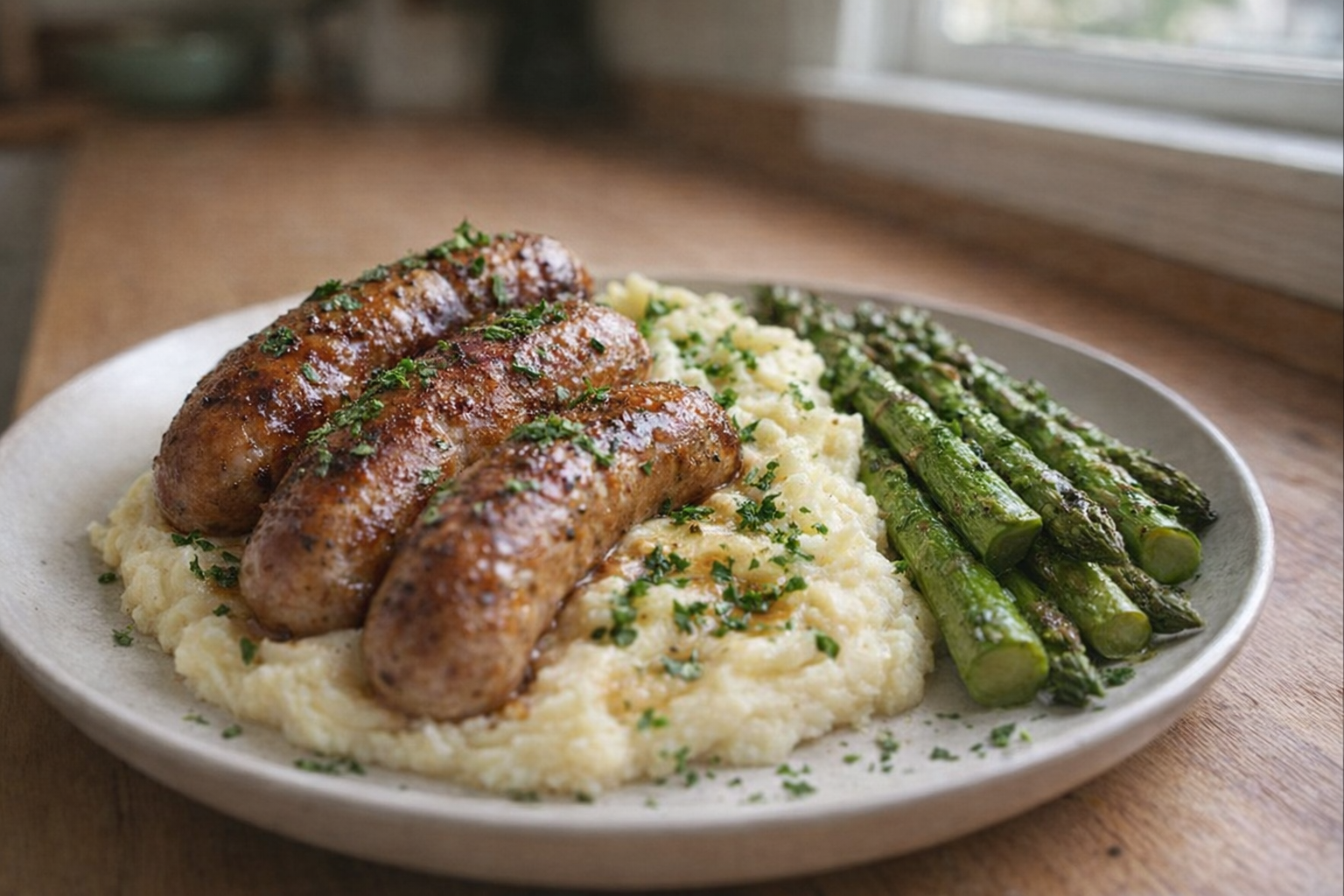
Baking sausage in the oven is a hands-off technique that yields consistently delicious results. The dry heat of the oven ensures even cooking, rendering the fat and creating a beautifully browned exterior while the inside remains succulent and juicy. Unlike pan-frying, oven baking minimizes splattering and requires little to no added oil, making it a healthier and less messy option.
This guide will walk you through everything you need to know to master oven-baked sausage, from choosing the right type to achieving the perfect internal temperature. We'll cover essential tips and tricks to ensure your sausages are cooked to perfection every time.
Understanding Sausage
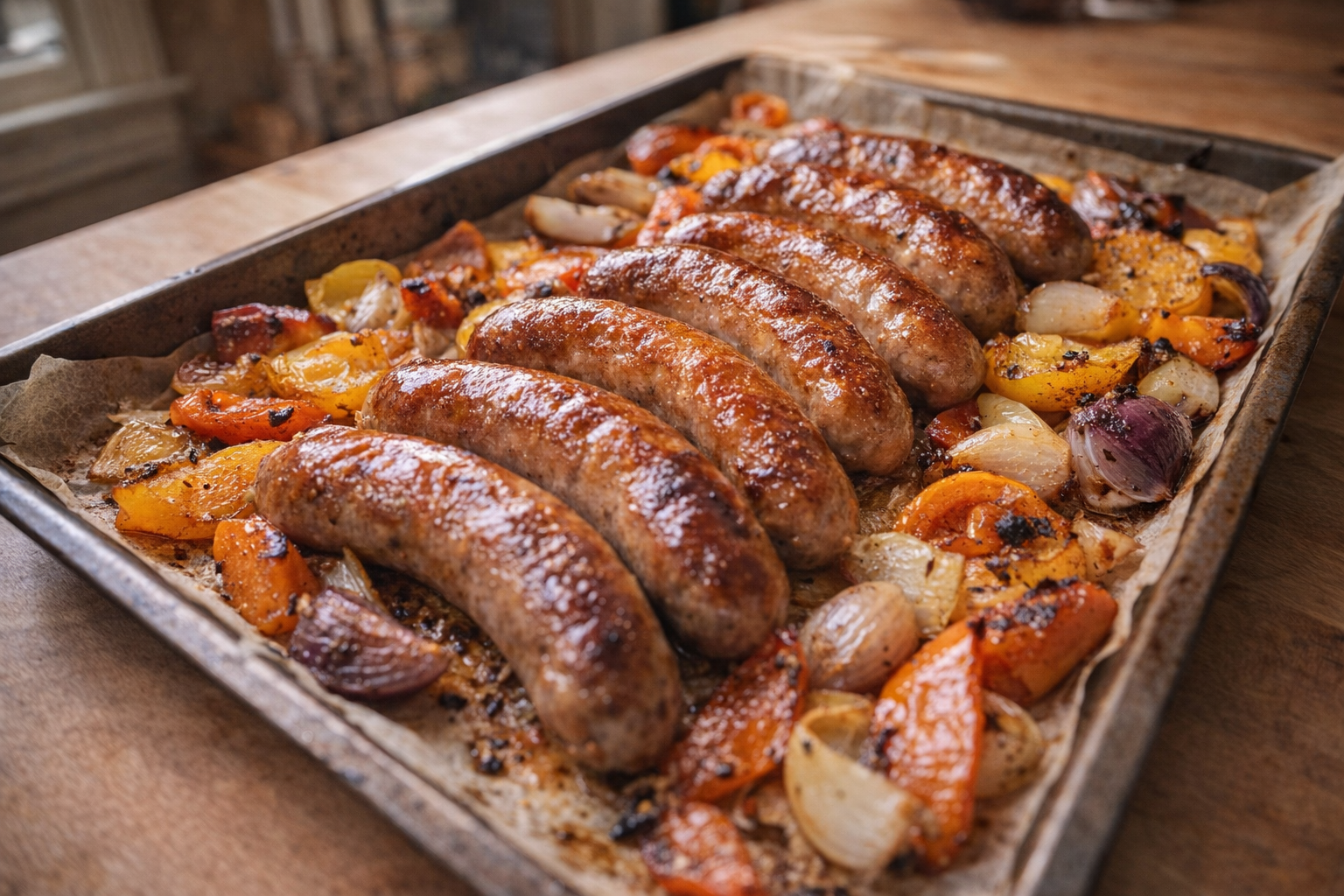
Sausages are available in a dizzying array of types, each with its own unique flavor profile. When baking, fresh, uncooked sausages are generally preferred. Pork, beef, chicken, and turkey sausages are all excellent choices. Consider the flavor profile you're aiming for: Italian sausages (sweet, mild, or hot) are great for adding Mediterranean flair, while bratwurst is perfect for a German-inspired meal. For a healthier option, consider chicken or turkey sausage. When purchasing, look for sausages with minimal additives and fillers.
Why Cook Sausage This Way?
- Versatility: Works with almost any type of sausage, from breakfast links to spicy chorizo.
- Flavor: The even heat of the oven allows the sausage to cook uniformly, developing a rich, savory flavor and a crisp exterior.
- Convenience: Hands-off cooking means you can prep sides or attend to other tasks while the sausages bake.
Preparation (Mise en Place)
- If using frozen sausages, thaw them overnight in the refrigerator for best results. Although, we have instructions for cooking from frozen if you're in a pinch!
- No cutting or trimming is necessary for most sausages. However, you can prick the casings with a fork to prevent bursting during cooking (optional).
Essential Tools
- Rimmed Baking Sheet: A rimmed baking sheet is crucial to contain any rendered fat and juices. We recommend a heavy-duty aluminum baking sheet for even heat distribution.
- Parchment Paper or Aluminum Foil: Lining the baking sheet with parchment paper or aluminum foil makes cleanup a breeze.
- Meat Thermometer: An instant-read meat thermometer is essential for ensuring the sausages reach a safe internal temperature.
The Cooking Method
We'll focus on a single, reliable method for baking sausage in the oven.
Baking Sausage in the Oven
Ingredients:
- 1 pound (450g) fresh sausage links (pork, beef, chicken, or turkey)
- Optional: 1 tablespoon olive oil
- Optional: 1 teaspoon dried herbs (rosemary, thyme, or Italian blend)
- Optional: Assorted vegetables (bell peppers, onions, potatoes), cut into bite-sized pieces
- Salt and Pepper to taste
- Preheat the oven to 400°F (200°C). Ensure the oven is fully preheated for consistent cooking.
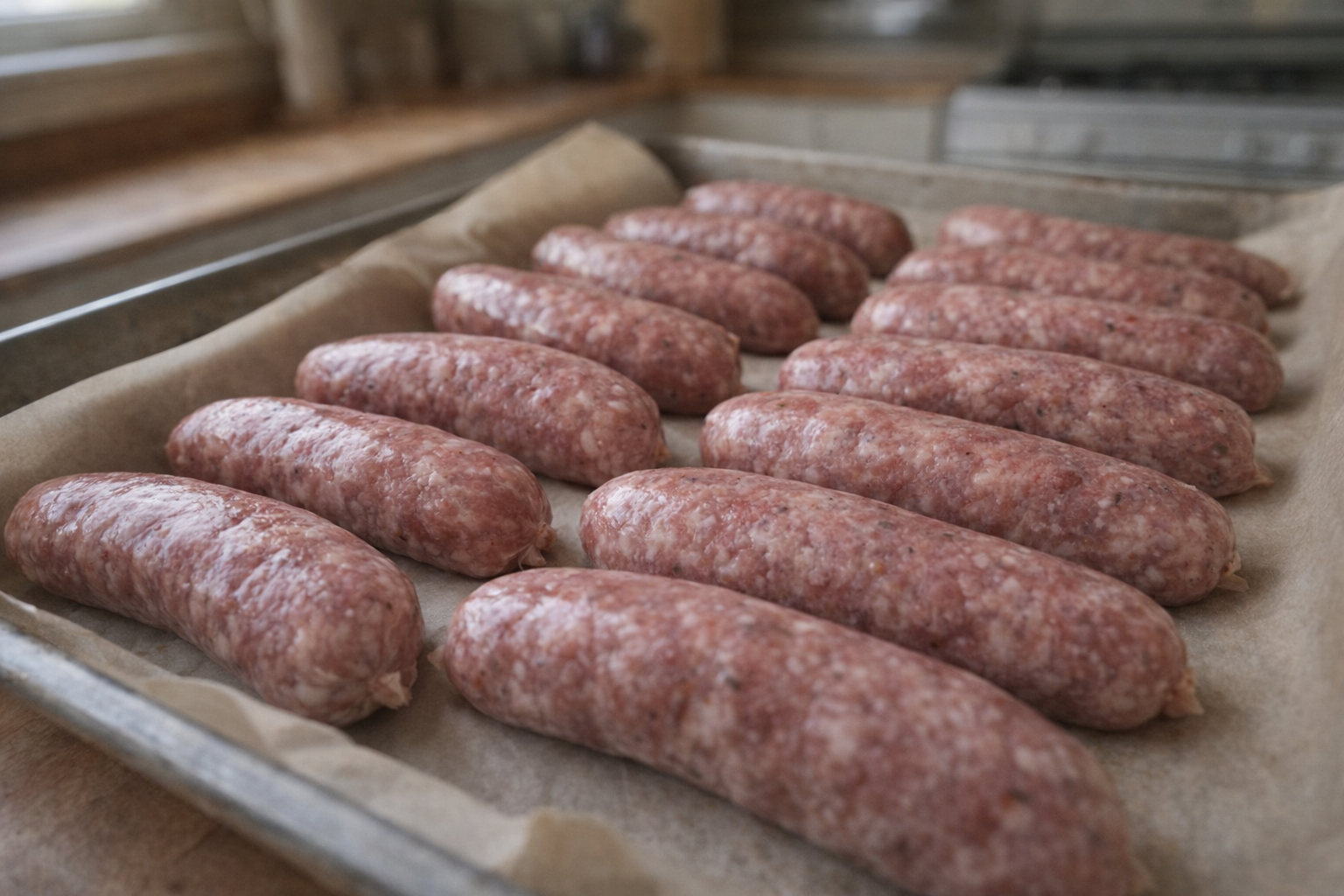
- Prepare the baking sheet. Line a rimmed baking sheet with parchment paper or aluminum foil.
- Arrange the sausages. Place the sausages on the prepared baking sheet, leaving a little space between each link to promote even browning. If using vegetables, toss them with olive oil, salt, and pepper, then arrange them around the sausages.
- Add Flavor (Optional). Drizzle the sausages with olive oil and sprinkle with dried herbs.
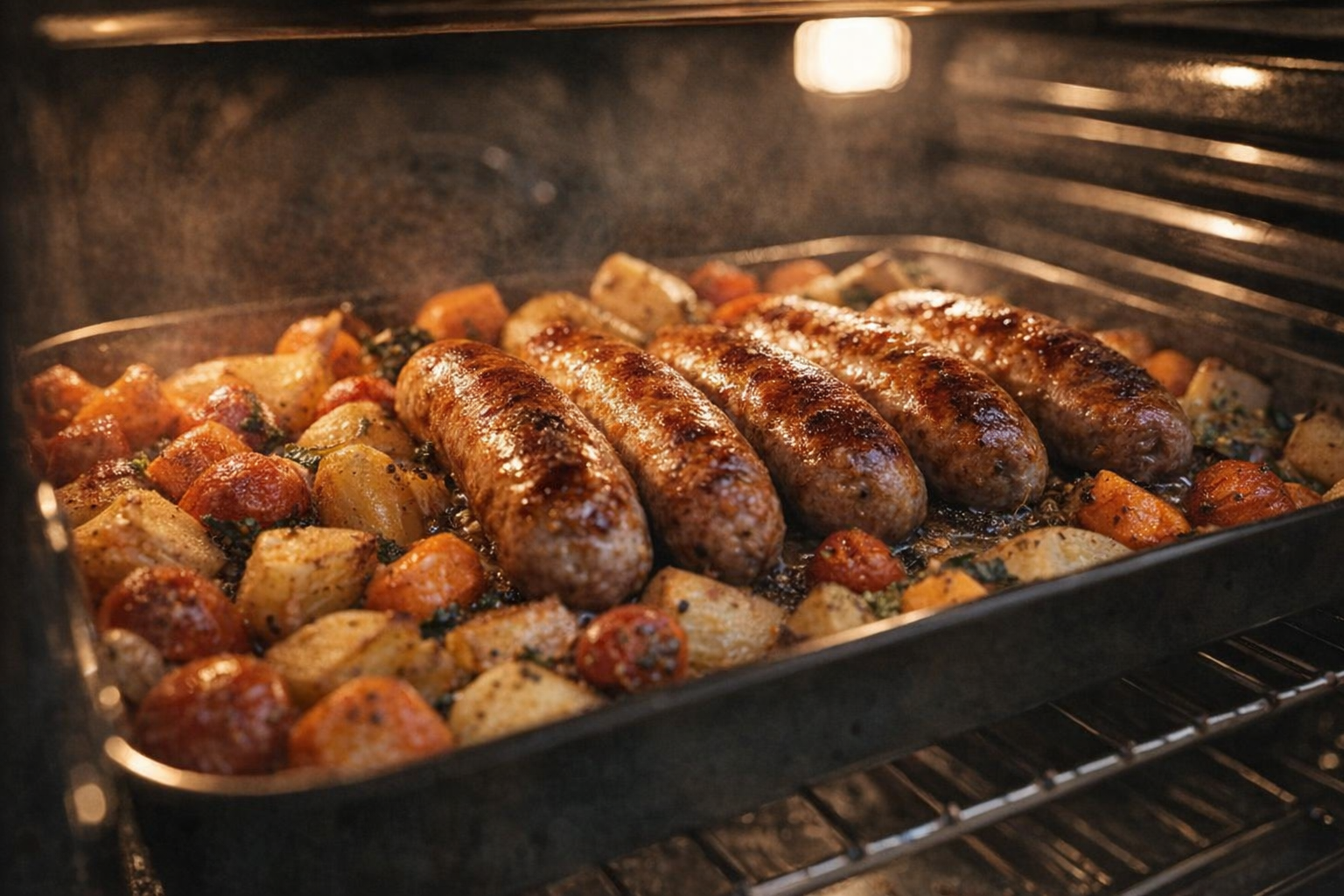
- Bake the sausages. Place the baking sheet in the preheated oven and bake for 25-35 minutes, or until the sausages are browned and the internal temperature reaches the safe minimum. Listen for the gentle sizzle of fat rendering as they cook.
- Turn the Sausages (Optional). For even browning, flip the sausages halfway through cooking.
- Check for Doneness. Use a meat thermometer to ensure the internal temperature reaches 160°F (71°C) for pork and beef sausages, or 165°F (74°C) for poultry sausages.
- Rest Before Serving. Remove the baking sheet from the oven and let the sausages rest for 5 minutes before serving. This allows the juices to redistribute, resulting in a more flavorful and moist sausage.
Cooking Time & Doneness Guide
- Total Cooking Time: 25-35 minutes at 400°F (200°C). Thicker sausages may require longer cooking times.
- Internal Temperature: 160°F (71°C) for pork and beef sausages, 165°F (74°C) for poultry sausages.
Visual Cues
The sausages should be evenly browned with a slightly crisp exterior. The juices should run clear when pierced with a fork.
Tips for Perfection
- Don't overcrowd the pan: Overcrowding the pan will steam the sausages instead of browning them. Use a larger baking sheet or cook in batches.
- Use a meat thermometer: This is the most accurate way to ensure the sausages are cooked through.
- Don't overcook: Overcooked sausages will be dry and tough.
- Let them rest: Allowing the sausages to rest for a few minutes before serving ensures they retain their juices.
Storage & Reheating
- Storage: Store leftover cooked sausages in an airtight container in the refrigerator for up to 3-4 days.
- Reheating: Reheat sausages in the oven at 350°F (175°C) for 10-15 minutes, or until heated through. You can also microwave them, but the texture may not be as good.
Serving Suggestions
- Sausage and Peppers: Serve the baked sausages with sautéed bell peppers and onions on a hoagie roll for a classic sausage and peppers sandwich.
- Breakfast Platter: Add the sausages to a breakfast platter with scrambled eggs, hash browns, and toast.
- Pasta Dish: Slice the sausages and add them to your favorite pasta dish for a savory protein boost.
- Sausage Skewers: Thread the sausages onto skewers with vegetables and grill or bake for a fun and flavorful appetizer.
💡 Pro Tips
- Line your baking sheet with parchment paper or aluminum foil to prevent sticking and simplify the cleanup process after cooking.
- Place a wire rack on top of the baking sheet to allow hot air to circulate around the entire sausage for even browning without flipping.
- Use an instant-read meat thermometer to ensure the internal temperature reaches 160°F for pork or 165°F for poultry sausages.
- Avoid piercing the casings before baking to keep the flavorful juices trapped inside the sausage during the cooking process.
- Let the sausages rest for five minutes after removing them from the oven to allow the juices to redistribute for a more succulent texture.
Frequently Asked Questions
Yes, absolutely! Roasting vegetables like peppers, onions, or potatoes alongside the sausage adds flavor and makes for a complete meal. Just be sure to choose vegetables that require roughly the same cooking time as the sausage and cut them into uniform sizes.
If your sausages are browning too rapidly, you can lower the oven temperature by 25 degrees and continue cooking until they reach the correct internal temperature. You can also loosely tent the baking sheet with aluminum foil to shield the sausages from direct heat.
Allow the cooked sausage to cool completely, then store it in an airtight container in the refrigerator for up to 3-4 days. You can also freeze cooked sausage for longer storage; wrap it tightly in plastic wrap and then place it in a freezer bag, where it will keep for 2-3 months.
Yes, using a meat thermometer is the best way to ensure your sausage is cooked to a safe internal temperature, which is crucial for food safety. For most sausages, the internal temperature should reach 160°F (71°C). This guarantees that any harmful bacteria are eliminated.